What Brands Really Need From an In-House Content Creator Hire.
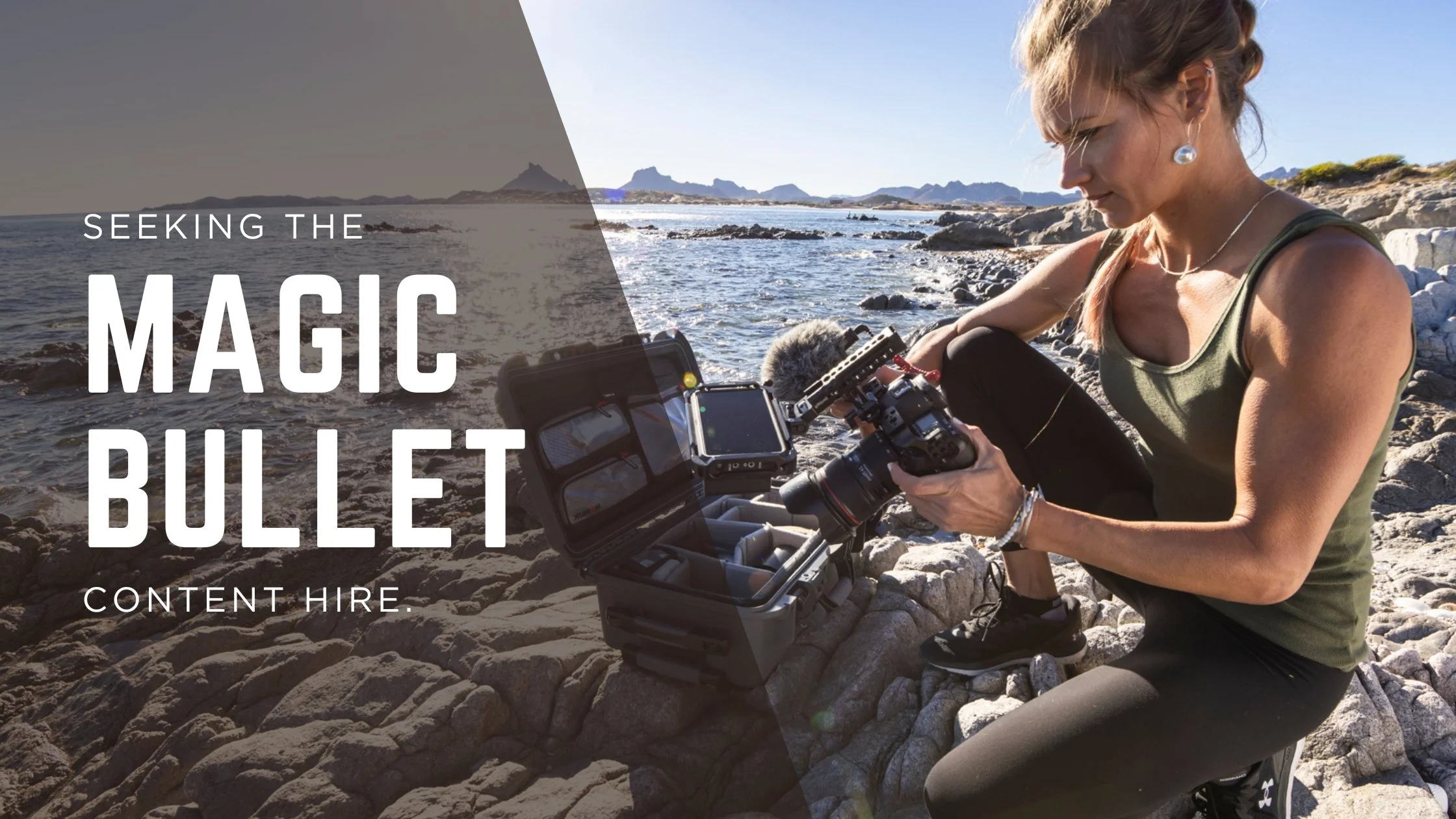
More than a decade ago, a full-time photo and video person inside an outdoor brand was still a rare job. I know because I had one.
I've spent more than 20 years in outdoor media and creative production, nearly eight of them inside a major outdoor brand. The role started as a mix of photo, video, studio management and production, then evolved into overseeing a much broader mix of internal and external work. It wasn't exactly a standard career path.
Now I can scroll LinkedIn any week and find a steady stream of jobs that sound a lot like it: Content Creator. Photo/Video Producer. Brand Photographer. Creative Content Manager. The titles change, but the wish list mostly doesn't. Shoot, edit, produce, budget, manage freelancers, work with agencies, develop concepts, know the brand, deliver everything. Bonus points for being in two places at once.
I wanted to know why one person is supposed to cover all of that, so I spent the past month talking with heads of marketing, creative leads and agency insiders.
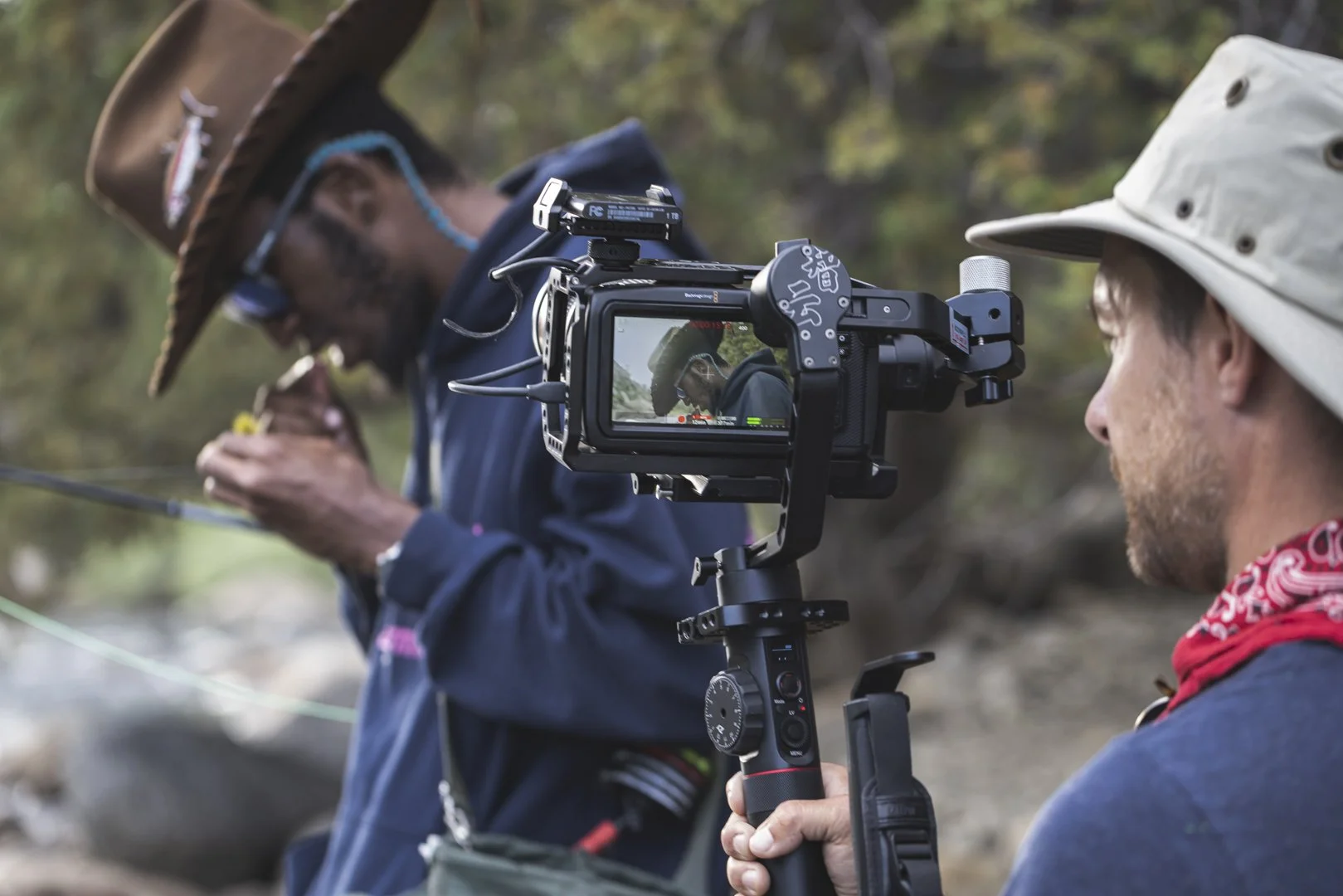
The easy explanation is that brands need more content, and they do. There are more channels and formats to feed, and a single campaign can now spin off assets that used to be several separate projects. That explains the volume, but not why one person is supposed to handle it. And the more people I talked to, the more the job descriptions themselves stood out.
A marketing and creative leader at an agency described postings that ask one person to shoot, produce, outsource work, maintain the relationships that make outsourcing possible, and manage the whole process. He thought it sounded overwhelming, and his view was that teams should be built around what the work actually requires. Some people can wear all those hats. (I've done a version of it myself.) But whether one capable person can do the work is beside the point. What matters is whether hiring that person creates the production capacity the brand is after.
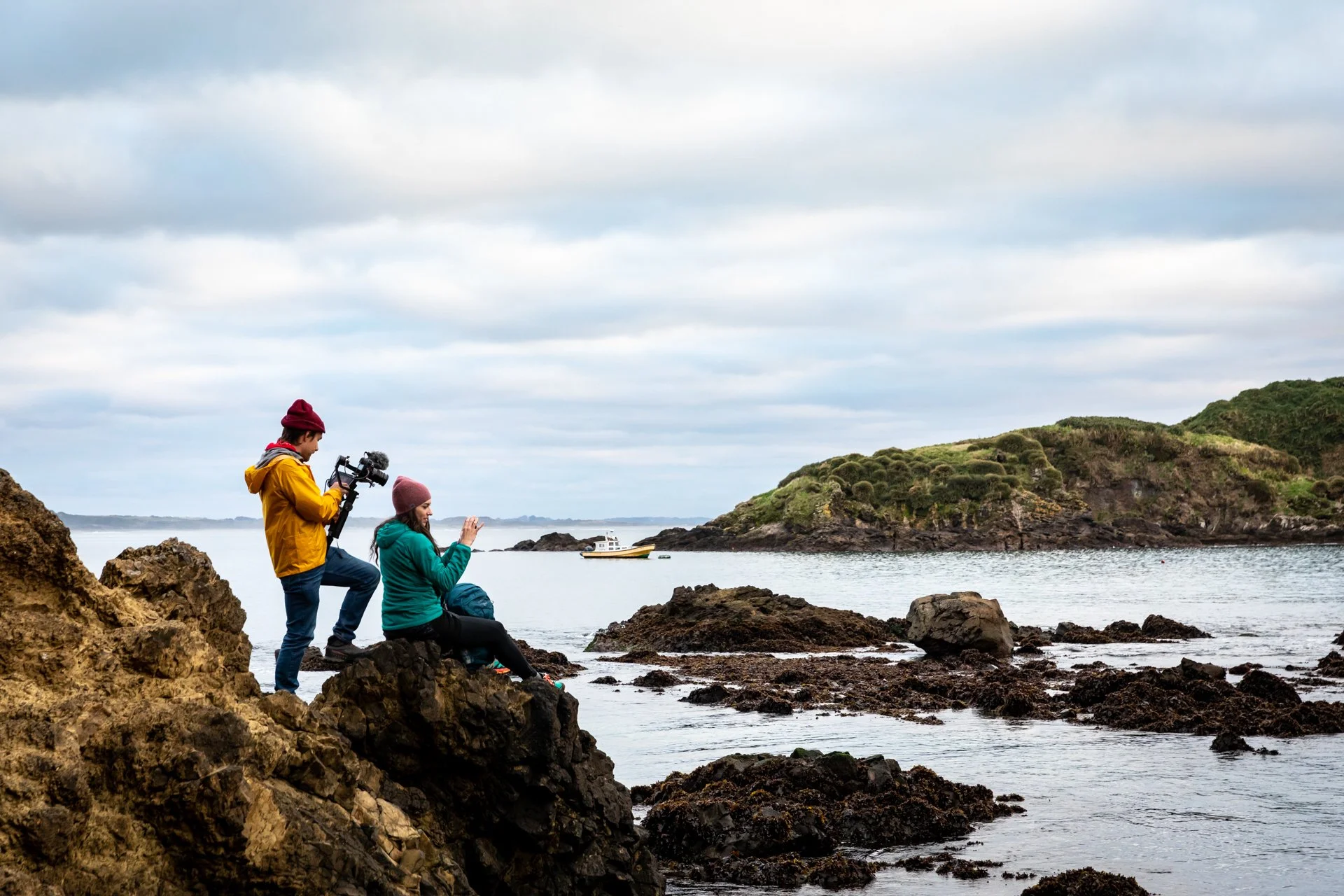
Think about what a shoot actually takes: location, talent, travel, equipment, crew, permits, insurance, pre-production, post-production. Sometimes a helicopter, which is a fun line item to discover halfway through a budget sheet. The person holding the camera is just one piece of the equation.
The same goes for the money. Bringing production in-house can make sense, but on location shoots, those hard costs often eat 70 to 80 percent of the budget in my experience. Whatever's left has to cover everything else, including the creative itself. None of that goes away because the person producing the work is on payroll. What moves is where some of the capability lives, and possibly how efficiently it gets used.
That doesn't make in-house the wrong call. There's real value in having someone inside who knows the products, the people, what's been done before, and which ideas will die in legal before anyone burns three days scouting. But that knowledge doesn't mean they have to execute every piece of the work personally.
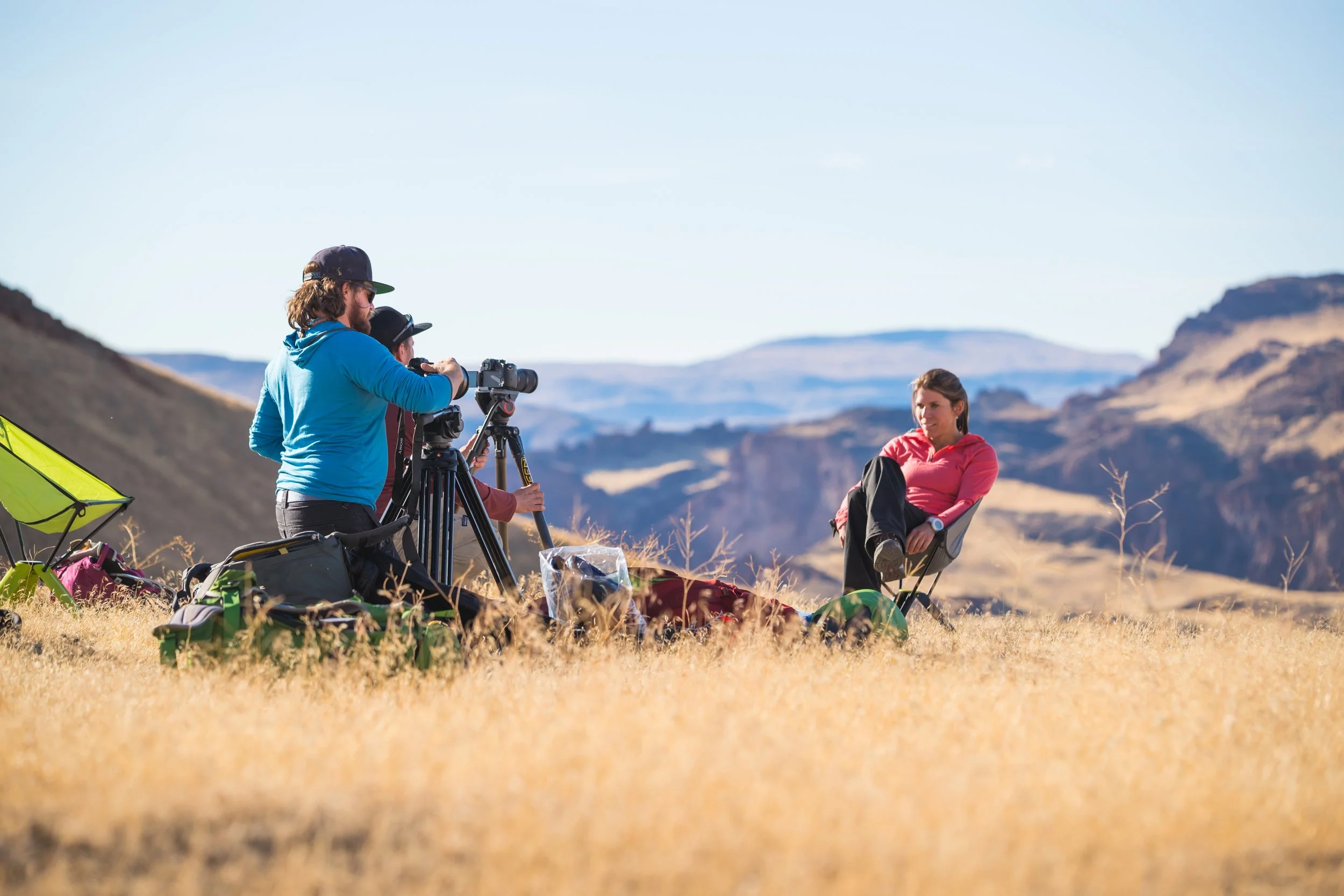
A senior creative lead inside a brand told me he sees these in-house content roles constantly. His question is whether companies want a "magic bullet" or someone who can oversee production. One in-house content and production lead described doing exactly that: part creator, part conduit between internal marketing needs and an outside network of contractors, agencies and production companies. He runs production without shooting all of it.
I know that job well because I did it too. As the brand grew, I hired and outsourced more and more. Sometimes shoots overlapped and I had no way to cover them all. Sometimes a project needed a specialty look and feel that didn't match my own shooting style. And sometimes hiring someone on location was far cheaper than flying me out. I produced those shoots and kept the alpha campaigns for myself. For a brand our size, that was worth more than shooting every piece of content myself. It gave me room to go deeper on storytelling and give freelancers stronger creative direction, and my value shifted toward knowing what needed to happen, who was best equipped to do it, and how to make the pieces fit together.
Whether that split makes sense depends on the work. If you need studio photography every week, an in-house photographer may be exactly right, and paired with a producer, that's a damn efficient setup. If the work mixes campaign photography, documentary video, product, social and the occasional shoot somewhere that requires a passport, the structure has to be more flexible. That could be a larger internal team, an in-house producer working with outside specialists, or an agency for some projects and individual creators for others. An agency owner who leads creative and production told me many brands want more shoots than they have the bandwidth to produce, and that outside or fractional production can fill that gap without adding headcount.
The truth is, there's no magic bullet here. The right fit depends on the brand, and the postings I've been seeing suggest the industry is still trying to squeeze a large production function into one hire. So the real question is what you expect that hire to make possible. If the goal is someone shooting every day, hire for that. If it's someone who can take a marketing initiative, work out what needs to be made and who should make it, build the budget, run the production and bring in outside help when needed, that's a much different job.
Before you post the job, ask three questions:
Is there a content need big enough to justify someone shooting every week?
Inversely, is there a content need so large that one person can't realistically keep up with the demand?
Do we have an appropriate production budget to allow them to create the content we actually need?
Answer those honestly, and you'll know whether you're hiring a shooter or a producer.
A brand doesn't need one person who can do everything. But it does need a way to get everything done.